Specification :
Manufactured under ASTM A691 requirements for alloy steel welded pipes.


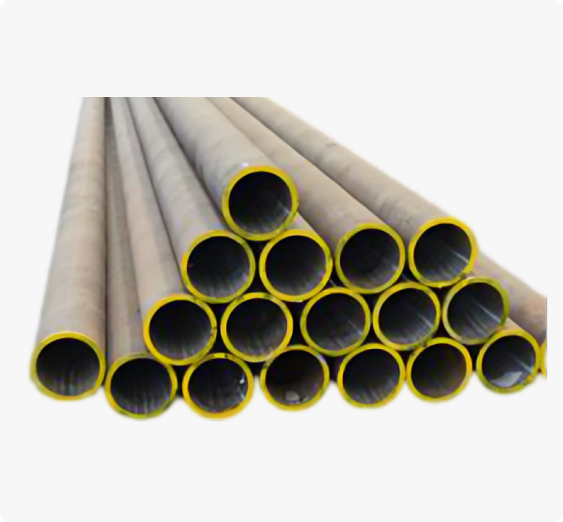
Specification :
Manufactured under ASTM A691 requirements for alloy steel welded pipes.
Grade :
Produced using 2-1/4 Cr chromium alloy steel material.
Pipe Construction :
Developed through electric fusion welding technology.
Size Availability :
Offered in industrial process piping dimensions.


Industrial facilities operating under continuous heat and pressure require piping materials capable of delivering long-term mechanical reliability and thermal stability. A691 2.25 2-1/4 Cr Welded Pipe is widely utilized in boilers, petrochemical plants, thermal systems, and refinery operations because of its superior creep resistance, oxidation control, and pressure-handling capability.
Manufactured using chromium-molybdenum alloy steel, these welded pipes are engineered for elevated-temperature service environments where conventional carbon steel piping may lose strength or structural integrity over time. Their enhanced alloy composition makes them a dependable choice for critical industrial process systems.
What is A691 2.25 2-1/4 Cr Welded Pipe?
A691 2.25Cr welded pipes are electric fusion welded alloy steel pipes manufactured according to:
The 2-1/4 chromium alloy composition improves:
Long-term thermal stability making these pipes suitable for demanding industrial applications.
Excellent Thermal Performance
One of the major advantages of 2-1/4 Cr alloy pipes is their ability to withstand elevated operating temperatures without significant structural degradation.
Reliable Pressure Handling: These pipes are engineered for industrial pressure systems exposed to continuous thermal and mechanical stress.
Enhanced Oxidation Resistance: The chromium-molybdenum composition minimizes scaling and oxidation during prolonged high-temperature exposure.
Improved Creep Strength: The superior alloy steel welded pipe creep strength supports long operational life in boilers, steam pipelines, and thermal systems.
Available Product Configurations
To support diverse engineering requirements, A691 2.25Cr pipes are available in multiple forms:
These configurations are widely used across industrial process and pressure-retaining systems.
These pipes are commonly used in steam transmission and boiler operations requiring elevated-temperature performance.
Petrochemical and Refinery Plants
Suitable for hydrocarbon processing environments where oxidation resistance and pressure handling are essential.
Heat Exchangers and Pressure Vessels
The alloy composition supports efficient thermal transfer and mechanical reliability.
Widely applied in high-pressure alloy piping systems and industrial process infrastructure.
Industries frequently compare 2.25Cr vs carbon steel pipes before selecting industrial piping materials.
Suitable for general industrial applications
Lower heat resistance and creep performance
Enhanced thermal stability
Better oxidation resistance
Improved pressure-handling capability
Longer service life under elevated temperatures
This makes chrome moly alloy steel piping more suitable for heat-intensive industrial operations.
Authentic chrome moly alloy pipes are generally identified through:
ASTM/ASME material markings
Heat number traceability
Material test certificates (MTC)
PMI (Positive Material Identification) testing
Inspection documentation
Reliable suppliers also provide certified quality assurance reports for industrial procurement.
Pricing and Supply Considerations
The A691 2.25Cr welded pipe price depends on:
Chrome alloy piping project rates before procurement decisions.
With outstanding thermal stability, creep resistance, and high-pressure performance, A691 2.25 2-1/4 Cr Welded Pipe remains a reliable solution for modern industrial thermal systems. Its chromium-molybdenum alloy composition, ASTM-compliant manufacturing, and durability under extreme operating conditions make it an essential material for boilers, petrochemical plants, steam systems, and refinery process piping applications.
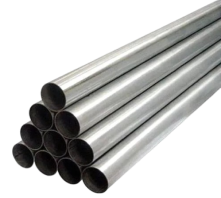
A691 2.25Cr Boiler Welded Pipes
Manufactured for high-temperature boiler systems requiring dependable pressure handling and thermal resistance.
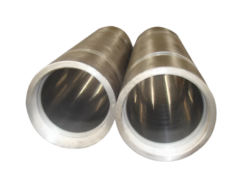
ASTM A691 2-1/4 Cr Alloy Steel Pipes
Designed according to ASTM standards for industrial piping applications exposed to heat, stress, and corrosive environments.
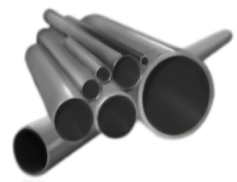
Chrome Moly 2.25Cr EFW Welded Pipes
Produced using chromium-molybdenum alloy steel for large-diameter process piping systems operating under elevated temperatures.
Specification :
Manufactured under ASTM A691 requirements for alloy steel welded pipes.
Grade :
Produced using 2-1/4 Cr chromium alloy steel material.
Pipe Construction :
Developed through electric fusion welding technology.
Size Availability :
Offered in industrial process piping dimensions.
Thickness Range :
Available in multiple schedule and heavy-wall configurations.
Heat Resistance :
Designed for prolonged high-temperature industrial service.
Mechanical Strength :
Provides enhanced creep and tensile performance.
Surface Finish :
Supplied in pickled, shot-blasted, or coated conditions.
Thermal Stability :
Maintains dimensional reliability during thermal cycling.
Pressure Handling :
Suitable for high-pressure thermal process systems.
Operational Durability :
Engineered for long-term industrial reliability.
Application Areas :
Commonly utilized in power plants and petrochemical systems.
Testing Standards :
Verified through hydrostatic and non-destructive inspections.
Our A691 2.25 2-14 cr Welded Pipe are used in a wide range of applications and various industries. Below are a few of them:

Application Industries

Aerospace Industry

Food Processing Industry

Pulp & Paper Indusry

Energy Industry

Pharmaceuticals Industry

Power Plant Industry

Chemical Industry

Oil and Gas Industry
Get clear answers to common queries about our steel products, services, and delivery processes.

The chromium-molybdenum alloy composition improves thermal stability and oxidation resistance during elevated-temperature service.
They are ideal for high-pressure thermal systems, boilers, steam pipelines, and refinery applications.
They provide excellent creep resistance, fatigue strength, and long operational reliability under demanding industrial conditions.
Identification is confirmed through ASTM markings, PMI testing, heat numbers, and certified inspection documentation.

Our Location
Flat no 5, Swapna HSG Soc
Ltd., Charkop, Kandivali West,
Mumbai, Maharashtra, India.
400067


